
A product launch gives a display a specific job: help people understand, approach and remember the product. Before choosing the shape of an acrylic installation, decide what visitors should notice and what they should be able to do. A display built for photography needs a different conversation from one used for demonstrations or frequent product handling.
Planning custom acrylic event displays starts with that interaction. For a launch in New York or New Jersey, connect the visual concept with the product, the surrounding production and the people responsible for each element. The following decisions help turn an attractive reference into a useful fabrication discussion.
1. Start with the product and the guest interaction
Provide the actual product dimensions, quantity and intended arrangement. Include packaging if it will remain on display, and explain whether the presentation changes during the event. A single hero product, a collection of variations and a demonstration station call for different layouts.
Describe the interaction in ordinary language. Will visitors look without touching, pick up a sample or watch a representative demonstrate it? Who replaces products after a demonstration? If the item opens, moves or connects to another component, show that action rather than relying on a closed-product photograph.
Identify which information is confirmed. If the launch sample is still being developed, separate approved dimensions from estimates and name the person who will supply the final specification. That distinction gives the fabrication team something concrete to review before the design is approved.
2. Decide what should be visible around the acrylic
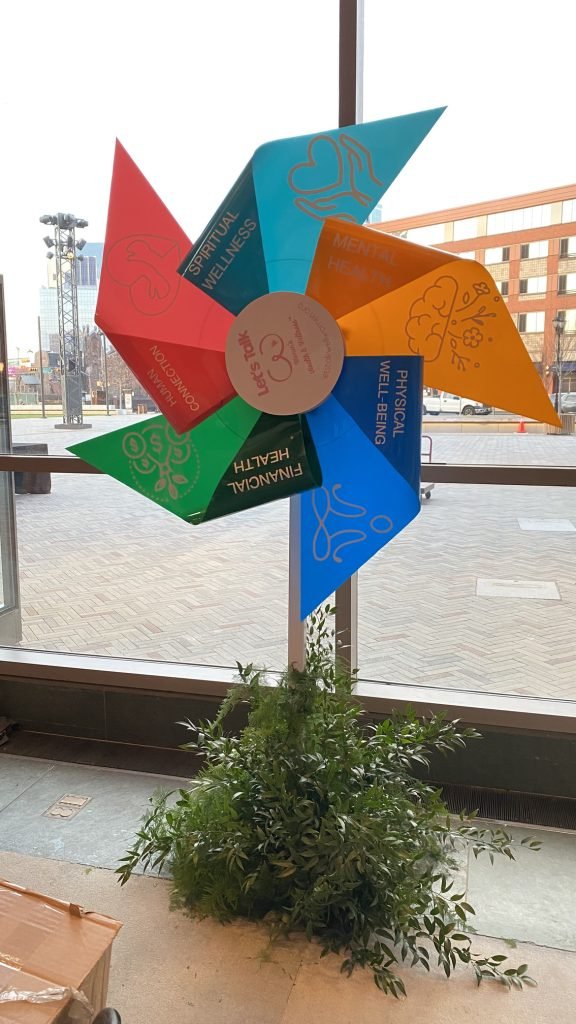
Transparency is part of the composition, so consider the view through the installation as well as its outline. Place the reference in the wider event setting: what sits behind it, which surfaces face guests and where the product should appear within that view?
A useful creative review compares a few defined choices:
- One focal arrangement or several smaller product groupings.
- A presentation viewed from one direction or approached from several sides.
- Acrylic as the main visual element or one component of a broader backdrop.
- A quiet surrounding composition or a more layered setting with graphics and other materials.
Explain why each reference matters. Its proportions might be relevant while its color, scale or surrounding decoration is not. Arca’s custom acrylic fabrication service provides a starting point for discussing acrylic walls and installations in the context of your event.
3. Make the boundaries between suppliers explicit
An acrylic display may sit beside signage, lighting or a demonstration setup supplied by other teams. Show those elements in the same layout and assign responsibility for their dimensions, delivery and installation. A visual reference alone does not establish who provides the finished components.
For graphics, identify who creates the artwork and who supplies the physical sign or applied element. For lighting, ask the appointed lighting team to review the intended positions and photographs with the designer. If a product demonstration requires power or other equipment, have the responsible supplier define those requirements.
Record the interfaces that need agreement: where one component meets another, which parts remain accessible and what information one supplier needs from the next. Keep unresolved points visible in the approval record so an attractive presentation is not mistaken for a fully coordinated design.
4. Review the whole presentation before approving its parts
Ask to review the product arrangement, acrylic element and surrounding graphics together. A close-up of the display alone may leave important questions unanswered about the room, neighboring scenery or guest approach.
Use the planned photography to guide the discussion. Share the views the marketing team needs: a product detail, a person interacting with the display or a wider shot of the activation. Ask the photographer and lighting team what they need to evaluate before the event.
Where appearance remains uncertain, discuss whether a sample, mock-up or other review step belongs in the agreed scope. Define what that review should establish and who can approve it. Keep approval comments specific: which proportion, position or visible detail needs to change, and which parts are already accepted.
5. Agree what happens before and after the launch
Clarify whether the display is intended for one launch or possible later use. If another event is already planned, describe it now, including any change in product assortment, layout or venue. Future use is a design requirement to discuss, not something to assume from the first installation.
Assign responsibility for receiving the product, placing it in the finished display, handling replacements during the event and collecting it afterward. Discuss packing and handling instructions with the relevant suppliers. The event team also needs to know who retains the installation once the launch ends.
Arca’s production services connect the creative discussion with fabrication, transport and installation. Use the existing event load-in checklist for venue access details, keeping this design review focused on the display itself.
Frequently asked questions
Can we start with a product photograph and a mood board?
Yes, as the start of the discussion. Add dimensions, quantities, the intended interaction and a view of the surrounding event space. Identify anything that is still provisional so the next review can focus on the missing information.
How do we choose the acrylic specification?
Explain the intended use, dimensions, appearance and connected elements to the fabricator. Have the specification resolved for that design. A photograph of another installation does not establish the appropriate specification for yours.
Does an acrylic fabrication quote include lighting and graphics?
Confirm the scope explicitly. Identify the suppliers for lighting, artwork and physical graphics, and record their responsibilities. Do not assume those items are included because they appear in a visual reference.
Discuss your product-launch display
Share your launch concept with Arca Studio Creations, including the product, event date, venue and intended interaction. For an organized starting document, use the event fabrication brief guide and mark the decisions that still need input.
Arca Studio Creations
Have a structure in mind?
We design, engineer and fabricate custom structures for luxury events across New York and New Jersey.
Contact us


